Get a quoate
Why Cleanroom GMP is Critical to the Pharmaceutical Industry?
Published : 2026-01-22I. The Synergistic Logic Between Cleanrooms and GMP
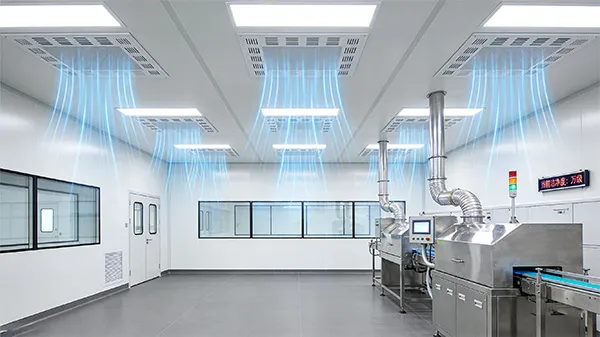
To understand their importance, we must first clarify the relationship between two core concepts: GMP (Good Manufacturing Practice) is the “code of conduct” that the pharmaceutical industry must follow, focusing on ensuring consistent drug quality and safety through full-process control. The Cleanroom is the “physical carrier” for implementing these rules. By controlling airborne particles, microorganisms, temperature, and humidity, it builds a protective barrier against contamination.
In the pharmaceutical sector, a cleanroom is not just a “tidy space” but a functional area managed by GMP classifications: from Grade A laminar flow zones for sterile injectables to Grade C/D clean areas for oral solid dosage forms. Each grade has stringent standards for particle counts, microbial limits, and pressure differentials. This combination essentially uses standardized environmental control to mitigate contamination risks throughout the production cycle, ensuring that every batch of medicine is traceable and verifiable. Boben Modular Cleanroom Manufacturers have been deeply rooted in the industry for years, providing compliant cleanroom solutions centered on this synergistic logic.
II. Frequently Asked Questions
Q1: Does Cleanroom GMP only apply to the production stage? A: No. GMP requirements for cleanrooms span the entire chain, including R&D, raw material handling, filling, packaging, and warehousing. For instance, raw materials must be unpacked and disinfected in designated clean areas to prevent external contaminants. In R&D labs, sterile preparation benches must meet Grade 100 (ISO 5) standards to ensure data accuracy. Even finished goods warehouses must control humidity and cleanliness to prevent degradation or cross-contamination.
Q2: Are GMP standards for cleanrooms uniform across different dosage forms?
A: No, they are not uniform and must be adjusted based on risk levels. GMP requires higher cleanliness for high-risk products. For example, sterile injectables and vaccines must be filled and sealed in Class A areas (dynamic conditions: ≥0.5μm particles ≤3,520/m³), with Class B environments as the baseline. For low-risk products like oral solid dosage forms or traditional Chinese medicinal materials, Class C/D cleanliness levels suffice. A one-size-fits-all approach would lead to excessive cost escalation or hidden quality risks.
III. Core Benefits of Implementing Cleanroom GMP
For pharmaceutical companies, implementing Cleanroom GMP is not a “compliance cost” but a strategic move for safety, efficiency, and competitiveness.
- Ensuring Patient Safety: Contamination by microbes or dust can cause severe infections or allergic reactions. Compliant cleanrooms block contamination at the source, ensuring drug purity and efficacy.
- Regulatory Compliance & Certification: GMP is the hard threshold for production licensing, government bidding, and international exports. Meeting cleanroom standards is a prerequisite for passing audits and avoiding shutdowns or recalls.
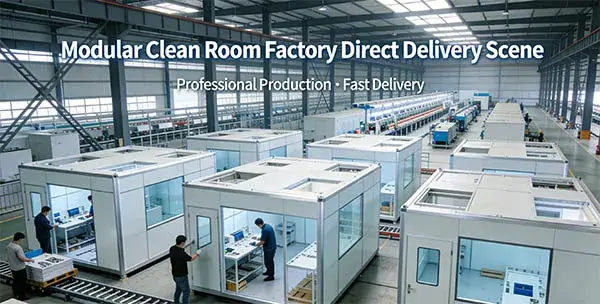
- Reducing Operational Loss: Boben’s modular cleanroom solutions help optimize layouts under compliance. This minimizes batch scrapping and rework caused by environmental failures, stabilizing production efficiency and building a solid foundation for market expansion.
Key control indicators for each cleanliness grade (dynamic standards) are provided in the table below to assist enterprises in precisely matching formulation requirements:
| Cleanliness Grade | ≥0.5μm Dust Particle Count (Particles/m³) | Microbial Limit (CFU/m³) | Suitable Dosage Forms/Processes |
| Grade A | ≤3520 | ≤1 | Critical processes such as filling and sealing of sterile injections |
| Grade B | ≤352000 | ≤10 | Class A Zone Background Environment, Sterile Preparation Ingredients |
| Grade C | ≤3520000 | ≤100 | Production of Oral Solid Dosage Formulations and Granules |
| Grade D | ≤35200000 | ≤200 | Packaging of Chinese Herbal Medicine Slices and Handling of Low-Risk Excipients |
IV Case Studies
Case 1: Sterile Injectable Plant GMP Certification A bio-pharmaceutical company in Jiangsu failed its initial GMP audits due to chaotic airflow and poor sealing, causing a 3-month production delay. After adopting a Boben modular cleanroom with a refined “Grade A + B” layout and daily microbial monitoring, they passed the certification on the first try. Filling efficiency increased by 15%, and sales exceeded 10 million within six months with zero quality complaints.
Case 2: Herbal Medicine Plant Efficiency Optimization A factory in Zhejiang suffered a 5% batch failure rate due to cross-contamination. By implementing GMP-standard Grade C/D zoning and standardized material transfer protocols, they reduced the failure rate to below 0.3%. This saved $18,000 monthly in rework costs and secured their position in the supply chain of major pharmacy chains.